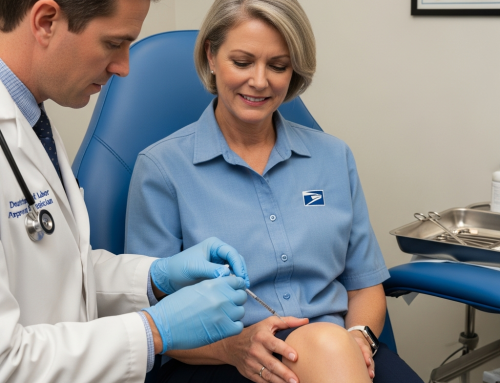
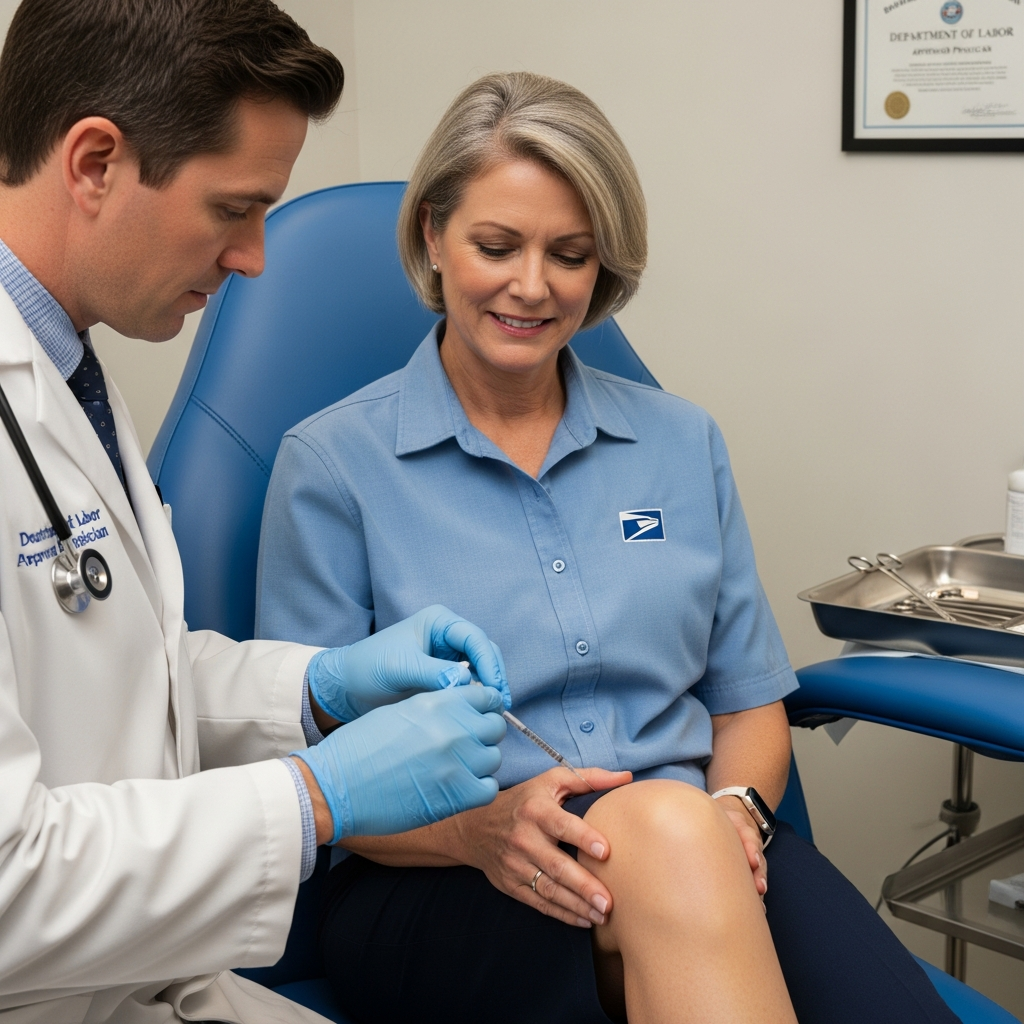
Los Angeles Postal Service Employees: Understanding FECA Benefits

The sorting machine jammed again. As you reached into the mechanical maze of belts and rollers – something you’ve done a thousand times before – that sharp pain shot through your shoulder like electricity. You winced, finished the repair, and kept working. After all, the mail doesn’t deliver itself, right?
But three weeks later, that nagging ache hasn’t gone away. In fact, it’s gotten worse. Now you’re lying in bed at 3 AM, staring at the ceiling, wondering if you should see a doctor… and more importantly, wondering how you’ll pay for it if this turns out to be serious.
Sound familiar?
If you’re a postal worker in Los Angeles – whether you’re sorting mail in Downtown, delivering packages in Beverly Hills, or processing parcels at LAX – chances are you’ve had this exact moment. That split second when you realize your body might be paying the price for years of lifting, reaching, walking, and the general wear-and-tear that comes with keeping America’s mail moving.
Here’s what nobody tells you during orientation: postal work is tough on your body. Really tough. We’re talking about jobs that involve repetitive motions, heavy lifting, awkward positions, and long hours on your feet. Your back knows it. Your knees definitely know it. And unfortunately, workplace injuries aren’t just possible – they’re pretty common in our line of work.
But here’s the thing that might surprise you… you’re not stuck dealing with this alone.
See, there’s this thing called FECA – the Federal Employees’ Compensation Act – and it’s basically a safety net that was created specifically for federal workers like you. Think of it as workers’ compensation, but designed for people who work for Uncle Sam. The catch? Most postal employees have no idea how it works, what it covers, or how to actually use it when they need it most.
And that’s honestly frustrating, because FECA benefits can be life-changing when you’re dealing with a work-related injury or illness. We’re talking about coverage for medical bills, compensation for lost wages, and even vocational rehabilitation if you need to learn new skills. But – and this is a big but – only if you know how to navigate the system properly.
I’ve seen too many postal workers in LA struggle unnecessarily because they didn’t understand their rights. Like Maria, a mail carrier from East LA who dealt with chronic back pain for months before learning that FECA could cover her physical therapy. Or David, a processing clerk who thought he’d have to use his own sick leave after injuring his wrist… not realizing that FECA would cover his time off and medical treatment.
The problem isn’t that these benefits don’t exist – it’s that the system can feel overwhelming and confusing when you’re already dealing with pain, stress, and the pressure to get back to work. The paperwork alone can make your head spin. Add in deadlines, medical documentation requirements, and trying to communicate with federal agencies… well, it’s enough to make anyone want to just tough it out and hope for the best.
But toughing it out isn’t always the answer. Sometimes that “minor” injury becomes a major problem. Sometimes what feels like a temporary setback turns into something that affects your ability to work long-term. And when that happens, knowing your FECA rights isn’t just helpful – it’s essential.
So whether you’re currently dealing with a workplace injury, worried about that persistent pain that’s been bothering you, or just want to understand your benefits before you need them, you’ve come to the right place. We’re going to walk through everything you need to know about FECA benefits as a Los Angeles postal worker – from the basics of what’s covered to the nitty-gritty details of filing a claim.
We’ll talk about common injuries in postal work (spoiler alert: you’re not imagining it – this job really is hard on your body). We’ll cover the claim process step-by-step, because nobody should have to figure this out while they’re in pain. And we’ll share some practical tips that can help you protect yourself and know when it’s time to seek help.
Because at the end of the day, you deserve to understand the benefits that are there to protect you.
What FECA Actually Means (And Why It Matters)
You know how everyone talks about workers’ comp like it’s this one-size-fits-all thing? Well, here’s where federal employees get… special treatment. The Federal Employees’ Compensation Act – or FECA, as we’ll call it because nobody has time for that mouthful – is basically the federal government’s version of workers’ compensation. But it’s not your typical state workers’ comp program.
Think of it this way: if regular workers’ comp is a sedan, FECA is more like a luxury SUV. More coverage, better benefits, different rules entirely. As a postal worker in LA, you’re not dealing with California’s workers’ comp system – you’re in the federal lane, which honestly… can be both better and more confusing at the same time.
The Department of Labor Connection
Here’s something that trips people up constantly – and I get it, because it seems backwards. When you get hurt at work for the postal service, you’re not filing a claim with your supervisor or some postal service office. You’re dealing with the Department of Labor’s Office of Workers’ Compensation Programs.
It’s like this: imagine you work for Target, but when you get injured, you have to call Walmart’s customer service. That’s essentially what’s happening here, except it actually makes sense once you understand that the Department of Labor handles workplace injuries for *all* federal employees. The postal service might be your employer, but DOL is your benefits administrator.
This setup actually works in your favor most of the time – the Department of Labor has standardized processes, established medical networks, and they’re not trying to minimize costs the way some employers might be tempted to do.
Coverage That Goes Beyond the Obvious
Now, when most people think “work injury,” they picture someone throwing out their back lifting packages or slipping on a wet floor. And yes, FECA covers those obvious incidents. But it also covers things that might surprise you.
Repetitive stress injuries from sorting mail day after day? Covered. Heat exhaustion from working those non-air-conditioned trucks in LA summer heat? Yep. Even certain illnesses that develop because of workplace exposure – think respiratory issues from dust or chemicals.
The tricky part – and this is where it gets counterintuitive – is that you don’t just need to prove you got hurt. You need to prove your job *caused* or significantly contributed to the injury. Sometimes that’s crystal clear (you lifted a box, your back went out). Other times… well, let’s just say there’s paperwork involved.
Medical Benefits vs. Wage Replacement
Here’s where FECA gets really interesting, and honestly, pretty generous compared to what most people get. You’ve got two main buckets of benefits, and they work differently.
The medical side is straightforward – if your injury is accepted, FECA pays for your medical treatment. Not 80%, not after you meet some deductible. All of it. Doctor visits, physical therapy, medications, even mileage to and from appointments. It’s like having premium insurance that actually covers everything related to your work injury.
The wage replacement piece is where things get more complex. If you can’t work – or can only work part-time because of your injury – FECA steps in to replace a portion of your lost wages. The percentage depends on whether you have dependents (it’s higher if you do, because the system recognizes that families need more support).
The Federal Employee Advantage
Look, I’ll be honest with you – federal employees generally have it better when it comes to work injuries than most private sector workers. FECA benefits don’t have the caps and limitations you see in state workers’ comp systems. There’s no maximum number of physical therapy visits, no arbitrary cutoff dates for treatment.
But – and this is important – with better benefits comes more bureaucracy. The federal government loves its forms, procedures, and documentation requirements. What might be a simple claim elsewhere can turn into a paper trail that’d make a tax audit look simple.
That’s not meant to scare you off… just to set realistic expectations. The benefits are worth navigating the system for, but you need to understand that patience isn’t just a virtue here – it’s a requirement.
Know Your Rights Before You File
Look, the postal service won’t hand you a manual titled “How to Get Every FECA Benefit You Deserve.” They’re not trying to hide anything from you, but… well, they’re not exactly advertising it either. Here’s what you need to know upfront: you have 30 days to report a work injury to your supervisor. Not 31 days. Not “when I get around to it.” Thirty days – and honestly? Do it immediately if possible.
But here’s the thing – and this is where it gets tricky – you also have three years to file your actual FECA claim. Don’t confuse reporting with filing. Report right away (that’s your CA-1 form for traumatic injuries or CA-2 for occupational diseases), but you’ve got breathing room for the full claim process.
The Magic Words That Open Doors
When you’re talking to your supervisor, HR, or anyone about your injury, there are specific phrases that carry weight. Don’t just say “my back hurts from lifting packages.” Instead, try: “I sustained a work-related injury while performing my assigned duties.” Sounds formal? Maybe. But it establishes the connection between your job and your injury from day one.
And here’s something most people don’t realize… if your supervisor tries to brush off your injury report or says “we don’t have the forms,” you can actually submit your claim directly to the Department of Labor. Your supervisor is required to complete their portion within 10 working days, but they can’t stop you from filing.
Documentation Is Your Best Friend (Even When You’re Hurting)
I get it – when you’re in pain, the last thing you want to do is paperwork. But trust me on this: document everything. And I mean everything. Take photos of the area where you got injured (if it’s a hazard that could affect others). Keep copies of every medical report, every conversation summary, every form you fill out.
Start a simple notebook or phone notes. Date, time, what happened, who you talked to, what they said. It sounds obsessive, but I’ve seen cases where that little notebook made the difference between approval and denial.
Here’s a pro tip most people miss: if you have to leave work early or miss days because of your injury, make sure that’s documented too. Don’t just call in sick – specifically mention it’s related to your work injury. The connection needs to be clear in every record.
Choosing Your Doctor Wisely
You get to pick your treating physician – that’s your right under FECA. But (and this is important) once you choose, you’re somewhat stuck with them unless you can show good cause for switching. So choose carefully.
Look for doctors who understand workers’ compensation cases. They know the forms, they know the language that needs to be in their reports, and they won’t look at you sideways when you mention FECA. Your family doctor might be wonderful, but if they’ve never dealt with federal workers’ comp… well, there’s a learning curve involved.
And here’s something that might surprise you: you don’t pay for medical treatment related to your work injury. The government covers it directly through FECA. Don’t let any medical office tell you to file it through your regular health insurance first – that’s not how this works.
The Appeals Process Isn’t the End of the World
If your claim gets denied (and unfortunately, many do initially), don’t panic. The appeals process exists for a reason, and plenty of denied claims get approved on appeal. You have multiple levels of appeals, and each one gives you a fresh shot at presenting your case.
The key is understanding why your claim was denied. Common reasons include insufficient medical evidence, questions about whether the injury really happened at work, or incomplete paperwork. Address the specific reason in your appeal – don’t just resubmit the same information and hope for a different result.
Get Help When You Need It
Here’s the truth nobody really talks about: FECA can be complicated. If your case involves significant injuries, long-term disability, or if you’re getting pushback from the postal service, consider getting help from someone who specializes in federal workers’ compensation.
You’re not required to handle this alone, and there’s no shame in getting assistance. The system is designed to help you, but sometimes… well, sometimes it needs a little nudging to work the way it’s supposed to.
When the Paperwork Feels Like a Full-Time Job
Let’s be honest – filing a FECA claim can feel like you’re drowning in forms while trying to juggle a fork lift. Most postal employees tell us the paperwork is actually harder than their day job, and that’s saying something.
The CA-1 and CA-2 forms? They’re not exactly user-friendly. You’ve got boxes that seem to want the same information three different ways, and terminology that makes you wonder if lawyers wrote it just to confuse regular people. Here’s what actually helps: don’t try to tackle it all in one sitting. Seriously. Grab the forms, make copies (always make copies), and work on one section at a time.
Keep a simple notebook where you write down dates, times, and what happened. Trust me on this – six months from now, you won’t remember if you hurt your back on the 15th or the 17th, but that little detail can slow down your entire claim.
The Doctor Visit That Changes Everything
Here’s where things get tricky, and it’s not really anyone’s fault. Your family doctor – the one you’ve seen for years – might not understand FECA requirements. They’re great at treating you, but the Department of Labor has very specific expectations about documentation.
You’ll need your doctor to clearly connect your injury to your work activities. Not just “patient reports back pain” but something like “lumbar strain consistent with repetitive lifting motions described by patient in mail sorting duties.” It’s frustrating because you feel like you’re coaching your doctor on how to help you.
Some doctors get impatient with the extra paperwork FECA requires. If yours does, it might be time to find someone who works with federal employees regularly. Ask around at work – your coworkers probably have recommendations.
When Your Supervisor Becomes Part of the Problem
This one’s delicate, but we need to talk about it. Most supervisors want to help, but they’re also dealing with staffing pressures and delivery schedules. Sometimes that creates… tension.
You might hear comments like “everyone gets hurt, you just push through” or feel pressure to downplay your injury. Some supervisors worry that injuries reflect poorly on their safety record. Others simply don’t understand the FECA process and get frustrated with the time it takes.
Document everything. Every conversation, every email, every time someone suggests you should just “tough it out.” You’re not being paranoid – you’re protecting yourself. Keep copies at home, not just at work.
If things get really difficult, know that retaliation for filing a FECA claim is illegal. Period. You have rights, and there are people whose job it is to make sure those rights are protected.
The Waiting Game (And Why It Drives Everyone Crazy)
Nobody prepared you for how long this would take, right? FECA claims don’t move at postal service speed – they move at government bureaucracy speed, which is… different.
Initial decisions can take 4-6 months. Appeals? Even longer. Meanwhile, you’re dealing with pain, possibly unable to work, and wondering how you’re going to pay bills.
Here’s what helps: understand that the Department of Labor processes thousands of claims. Your case isn’t forgotten, but it’s not the only one in the pile. Check the status online regularly, but don’t drive yourself crazy checking daily.
If your claim is taking unusually long, you can contact your congressional representative’s office. They can’t change the decision, but they can sometimes light a fire under slow-moving cases.
When Your Claim Gets Denied (Because Sometimes They Do)
This hits like a punch to the gut. You know you were injured at work, you have medical records, witnesses… and still, denied.
Take a deep breath. Denials happen for lots of reasons – missing paperwork, unclear medical documentation, or disputes about whether the injury really happened at work. Most of these can be fixed.
You have 30 days to request reconsideration, but don’t wait. Start immediately. Get copies of everything in your file (you have the right to see it all), and figure out exactly why they said no.
This is probably when you want to talk to someone who knows FECA law inside and out. Not because you can’t handle it yourself, but because the appeals process has its own language and requirements. Think of it like learning to drive – you could probably figure it out on your own, but having an instructor makes everything clearer and faster.
The Light at the End of the Tunnel
Look, this process is genuinely hard. But thousands of postal employees successfully navigate FECA claims every year. You’re not asking for a handout – you’re claiming benefits you’ve earned through your federal employment.
What to Expect in the First Few Weeks
Let’s be honest – the FECA process isn’t exactly known for its lightning speed. After you submit your initial claim, you’re looking at anywhere from 4-8 weeks before you hear back from the Department of Labor. I know, I know… that feels like forever when you’re dealing with an injury and worried about your paycheck.
During this waiting period, don’t panic if you don’t hear anything. The wheels are turning – they’re just turning slowly. Your claim gets assigned to a claims examiner who’ll review your medical records, your supervisor’s report, and all those forms you filled out. Think of it like waiting for a table at that popular restaurant downtown… you know they’re working on it, but there’s a line ahead of you.
Keep copies of everything you submit. Actually, scratch that – keep multiple copies. Store them digitally if you can. Trust me on this one – you’ll thank yourself later when someone asks for documentation you submitted months ago.
The Medical Evaluation Dance
Here’s where things can get a bit… interesting. FECA might require you to see one of their approved doctors for what’s called an independent medical examination. Don’t let the word “independent” fool you – this doctor works for the program, not necessarily for you.
This isn’t them questioning whether you’re really injured (well, sometimes it is, but let’s stay positive). They need their own medical professional to weigh in on your condition, treatment needs, and work restrictions. It’s like getting a second opinion, except it’s not optional and it carries a lot of weight in determining your benefits.
The appointment itself is usually straightforward – they’ll examine you, ask about your symptoms, maybe request some tests. Be honest but don’t oversell your condition. These doctors have seen it all, and they’re pretty good at spotting inconsistencies.
Understanding Your Benefit Timeline
If your claim gets approved – and most legitimate work-related injuries do – you’ll start receiving compensation retroactive to your first day off work. The amount depends on whether you’re completely unable to work or if you can handle light duty.
For total disability, you’re looking at about 66⅔% of your regular salary. Partial disability? It’s a bit more complicated – they calculate it based on your wage loss, which honestly can make your head spin trying to figure out the math.
Your medical bills should be covered directly through FECA’s medical billing system. But here’s something important… you might need to pay upfront and get reimbursed, especially in those first few weeks before everything’s set up. Keep those receipts – every single one.
Staying Connected with Your Workplace
This part’s crucial, even though it might feel awkward. Stay in regular contact with your supervisor and HR department. Not because you have to prove you’re really injured, but because maintaining that connection makes your eventual return to work smoother.
If your doctor clears you for light duty, be open to it. I get it – you might not feel 100%, but returning to modified work can actually speed up your recovery. Plus, it shows good faith on your part, which never hurts when dealing with bureaucracy.
Your postal facility has return-to-work coordinators who specialize in helping injured employees transition back. These folks are your allies, not your enemies. They want to find something that works within your medical restrictions.
When Things Get Complicated
Sometimes claims get denied initially. Don’t panic – this happens more often than you’d think, and it doesn’t mean your case is hopeless. You have the right to appeal, and many denied claims get approved on appeal once additional medical evidence comes to light.
If you’re feeling overwhelmed by the paperwork or the process stalls out, consider reaching out to your union representative. The postal unions deal with FECA claims regularly and know the ins and outs better than most.
Planning for the Long Haul
Recovery isn’t always linear – some days you’ll feel great, others not so much. That’s completely normal, especially with back injuries, repetitive stress problems, or other conditions common in postal work.
Keep a simple diary of your symptoms and activities. Nothing fancy – just notes about pain levels, what you were able to do, how you’re feeling. This documentation can be incredibly valuable if questions arise later about your progress or treatment needs.
Remember, FECA isn’t just about getting you through the immediate crisis – it’s designed to help you return to productive work when you’re ready. Be patient with the process, honest about your limitations, and proactive about your recovery.
You know what? Working for the postal service isn’t just a job – it’s a calling that demands everything from your body, day after day. Whether you’re sorting mail at the processing center downtown, delivering packages up those steep Hillside Village steps, or managing operations at LAX, your work matters deeply to this sprawling city we call home.
But here’s the thing that often gets overlooked… when your body starts sending those warning signals – that persistent ache in your lower back, the sharp pain shooting down your leg, or those shoulders that just won’t unknot after another twelve-hour shift – it’s not something you should just push through. That’s your body asking for help, and honestly? You’ve earned the right to get it.
The FECA program exists specifically because lawmakers understood something important: federal employees like you deserve comprehensive protection when work takes its toll. It’s not charity or a handout – it’s a benefit you’ve earned through your service. Every stamp you’ve sorted, every package you’ve delivered, every difficult customer you’ve helped with patience… that work has value, and so does your wellbeing.
I get it, though. The paperwork feels overwhelming when you’re already dealing with pain. The medical appointments, the forms, the back-and-forth with claims processors – it can feel like a second job you never wanted. And let’s be honest, sometimes it feels like the system is designed to wear you down rather than lift you up.
That’s where having someone in your corner makes all the difference. Think of it like having a GPS when you’re trying to navigate LA traffic during rush hour – sure, you could eventually find your way alone, but why make it harder on yourself?
The medical professionals who specialize in FECA cases? They understand the unique demands of postal work. They know that carrying a mail bag isn’t the same as lifting weights at the gym, that repetitive sorting motions create specific injury patterns, that working in all weather conditions affects your body differently than an office job would.
More importantly, they understand that your goal isn’t to milk the system – it’s to get better and get back to the work you care about, if that’s possible. Or, if your injuries are more serious, to ensure you have the support you need to rebuild your life in a new direction.
Your colleagues have been through this process. Many have found their way to proper treatment, fair compensation, and most importantly, hope for their future. You don’t have to figure this out alone, and you certainly don’t have to suffer in silence.
If you’re reading this and thinking, “Maybe it’s time I got some real help with this,” trust that instinct. Reach out to professionals who understand both the FECA system and the specific challenges postal employees face. Sometimes the best thing you can do for yourself – and for your family who worries about you – is to make that call.
Your years of service deserve more than just pushing through the pain. They deserve proper care, fair treatment, and the support you need to move forward. That support is out there, waiting for you to reach for it.