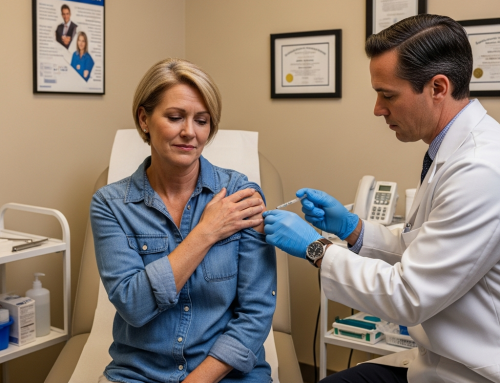
Glendale DOL Doctors: How Medical Reports Impact Claims

You’re sitting in yet another sterile waiting room, thumbing through a magazine from 2019, when the receptionist calls your name. Your heart does that little skip – not from excitement, but from the familiar cocktail of hope and dread that’s become your constant companion since the accident. This time, though, it’s different. This isn’t just another doctor’s appointment. This is *the* appointment – the one where you’ll finally get the medical report that could make or break your Department of Labor (DOL) claim.
Sound familiar? If you’re dealing with a work-related injury in Glendale, you’ve probably been down this road more times than you’d care to count. And here’s the thing that nobody really prepares you for – finding the right doctor isn’t just about getting better (though that’s obviously the priority). It’s about finding someone who truly understands how their medical documentation can impact your entire financial future.
Because here’s what happens… You file your claim, thinking the hard part is over. You’ve got witnesses, incident reports, maybe even security footage. But then reality hits: your whole case essentially hinges on what one person writes in a medical report. That doctor – who you might spend all of twenty minutes with – holds incredible power over whether you can pay your mortgage next month.
It’s honestly a little terrifying when you think about it.
I’ve seen too many people get caught in this trap. They find a doctor who’s perfectly competent at treating injuries but completely clueless about DOL requirements. The doctor might diagnose your herniated disc correctly, prescribe the right treatment, even help you get back on your feet. But if they don’t document things properly – if they miss key details about work-relatedness, fail to establish clear causation, or simply don’t understand what the DOL is looking for – your claim could get denied despite having a legitimate injury.
And then what? You’re stuck appealing a decision, drowning in medical bills, maybe unable to work… all because of paperwork issues that could’ve been avoided.
The frustrating part is that most people don’t realize how critical this choice is until it’s too late. You’re in pain, you need medical attention, and you just want to see someone – anyone – who can help. But rushing into the first available appointment without considering the DOL angle? That’s like bringing a butter knife to a gunfight.
Here in Glendale, we’re actually pretty fortunate. We’ve got access to doctors who really get it – physicians who understand that treating your injury is only half their job. The other half? Creating documentation so thorough, so precise, and so aligned with DOL requirements that your claim becomes virtually bulletproof.
But finding these doctors… that’s where things get tricky. It’s not like there’s a yellow pages section for “DOL-savvy physicians.” You can’t just Google “doctors who won’t accidentally sabotage my workers’ comp claim.” Trust me, I’ve tried.
The truth is, the difference between a doctor who understands DOL claims and one who doesn’t can literally be the difference between financial stability and financial ruin. Between getting the treatment you need and being forced to choose between rent and physical therapy. Between moving forward with your life and getting stuck in bureaucratic quicksand for months or even years.
So how do you navigate this maze? How do you find the right doctor in Glendale who can both treat your injury effectively AND create the kind of medical documentation that’ll make the DOL take notice? What should you be looking for? What questions should you ask? And once you’ve found the right physician, how do you make sure you’re maximizing every appointment to strengthen your case?
We’re going to unpack all of that. We’ll talk about what makes a medical report truly compelling from a DOL perspective, which Glendale doctors have the best track record with these claims, and – perhaps most importantly – how you can advocate for yourself throughout this process.
Because while you shouldn’t have to become an expert in workers’ compensation law just to get proper medical care… well, a little knowledge goes a long way toward protecting yourself. And honestly? You’ve already been through enough. Let’s make sure your medical team is working *for* you, not accidentally against you.
What Exactly Is a DOL Claim Anyway?
Think of the Department of Labor (DOL) as the referee in the workplace injury game. When you’re hurt at work, they’re the ones who decide whether you get compensation – and how much. But here’s the thing that trips up most people: the DOL doesn’t just take your word for it. They want proof. Medical proof.
It’s kind of like trying to return something to a store without a receipt. You know you bought it there, the store employees might even remember you… but without that little piece of paper? Good luck.
Your medical report from a Glendale doctor? That’s your receipt.
The Medical Report Ecosystem (It’s More Complicated Than You’d Think)
Now, you might assume any doctor can write a medical report that’ll satisfy the DOL. Makes sense, right? Doctor is doctor, report is report.
Actually… not so much.
The DOL has specific requirements that would make your high school English teacher proud. They want dates, detailed findings, causation analysis (fancy term for “did work actually cause this?”), and a treatment plan that connects the dots between your injury and your limitations.
Some doctors – especially those who don’t deal with workers’ comp regularly – write reports like they’re jotting down notes for themselves. “Patient has back pain. Recommends rest.” The DOL looks at that and basically shrugs. They need the medical equivalent of a well-sourced research paper.
Why Location Matters More Than You’d Expect
Here’s something that might surprise you: having a Glendale doctor handle your case isn’t just about convenience (though let’s be honest, shorter drives to appointments are nice). Local doctors often understand the specific requirements of California’s workers’ compensation system better than someone who primarily deals with, say, insurance claims in another state.
Think of it like hiring a local contractor who knows the city’s building codes versus someone from three states over who’s “pretty sure” they understand the rules. Both might be great at their core job, but one’s going to navigate the bureaucracy much more smoothly.
The Art and Science of Medical Causation
This is where things get… well, a bit messy. The DOL doesn’t just want to know that you’re hurt. They want to know that work hurt you. And proving that connection? It’s trickier than it sounds.
Let’s say you’re 45, you lift boxes all day, and your back starts screaming. Seems obvious, right? But what if you also play weekend basketball? What if you’ve had minor back issues before? What if you sleep on a terrible mattress?
Your doctor needs to become a bit of a detective, weighing all these factors and explaining – in language the DOL understands – why work is the primary culprit. It’s not enough to say “probably work-related.” They need to build a case.
The Timeline Trap Most People Fall Into
Here’s something nobody tells you upfront: timing is everything with DOL claims, and your medical reports need to reflect that reality.
You can’t wait six months after an injury to see a doctor and expect the DOL to connect the dots. They’re thinking, “If it was really that bad, why did you wait?” Fair or not, that’s how their minds work.
But here’s the counterintuitive part – you also can’t be too casual about follow-up care. Miss appointments? Skip recommended treatments? The DOL might interpret that as “not that serious” or worse, “getting better without treatment.”
Your Glendale doctor needs to document not just what’s wrong, but also your compliance with treatment and how the injury continues to affect your daily life and work capacity.
The Documentation Dance
Think of medical documentation like breadcrumbs in a fairy tale – except instead of finding your way home, you’re trying to prove your case to bureaucrats who’ve never met you.
Every appointment, every test, every treatment recommendation… it all matters. Your doctor isn’t just treating you; they’re building a paper trail that tells your story. When you’re in pain and just want to feel better, this documentation aspect can feel like annoying paperwork.
But trust me on this one – that “annoying paperwork” often makes the difference between getting your claim approved or spending months fighting an appeal.
The best Glendale DOL doctors understand this dual role. They’re treating your injury AND creating the documentary evidence you’ll need. It’s a bit like being both the director and the cinematographer of your recovery story.
Getting Your Medical Records Ready Before the Appointment
Here’s something most people don’t realize – your DOL doctor is probably going to spend about 15 minutes with you, tops. That’s it. So you need to make those minutes count.
Bring copies of everything. And I mean everything. MRI reports, physical therapy notes, that prescription list your pharmacist printed out three months ago… it all matters. The DOL doctor isn’t going to call around to collect your medical history – they’re working with what you give them.
Actually, here’s a trick I learned from a claims adjuster (don’t ask how): organize your records chronologically and highlight the key findings. Make it stupid simple for the doctor to see the progression of your injury. They’ll appreciate it, and – more importantly – they’re more likely to include those details in their report.
What to Say (and What Not to Say) During the Exam
This is where things get tricky. You want to be honest about your pain and limitations, but you also don’t want to sound like you’re exaggerating or, worse, malingering.
Be specific about your pain levels, but anchor them to activities. Instead of saying “my back hurts all the time,” try something like “I can’t lift my 2-year-old anymore without sharp pain that radiates down my leg.” That paints a picture. It’s concrete.
Here’s what you should avoid – and this might sound counterintuitive – don’t lead with how the injury has ruined your life. Start with the medical facts. The emotional impact is real and valid, but save it for later in the conversation. These doctors are looking for objective findings first.
Oh, and never… and I cannot stress this enough… never say you feel “fine” just to be polite when they ask how you’re doing. I’ve seen that throwaway comment derail entire reports.
The Hidden Importance of Functional Limitations
Most people think the DOL exam is just about proving you’re hurt. But here’s the thing – these doctors are really trying to figure out what you can and can’t do for work. It’s not enough to say your shoulder hurts; you need to explain that you can’t reach overhead, which means you can’t stock shelves or even hang clothes in your closet.
Think about your worst day with your injury, not your best day. Because that worst day? That’s probably more representative of your actual limitations. The doctor needs to understand how your injury affects your functional capacity – your ability to sit, stand, lift, carry, push, pull, climb…
Make a list beforehand. What can’t you do now that you could do before the injury? Be ready with specific examples. “I used to be able to vacuum my whole house in one go. Now I have to stop every five minutes because of the back spasms.”
Reading Between the Lines of Medical Jargon
When you get a copy of that DOL report (and you should always request one), you’ll probably encounter some… interesting language. Here’s how to decode what they’re really saying.
“Patient appears to be in no acute distress” – this doesn’t mean you’re not in pain. It just means you weren’t writhing on the floor during the exam.
“Subjective complaints of pain” – that’s medical speak for “the patient says it hurts, but we can’t measure pain objectively.” It’s not dismissive, even though it sounds like it.
“Within normal limits” can be frustrating to see, especially when you know something’s wrong. But remember, some injuries don’t show up on physical exams or basic tests.
When the Report Goes Wrong
Sometimes, despite your best efforts, the DOL report doesn’t accurately reflect your condition. Maybe the doctor misunderstood something, or maybe they simply didn’t capture the full scope of your limitations.
You have options. You can request clarification or correction if there are factual errors. Your attorney can also provide additional medical records or arrange for another evaluation if needed.
But here’s something most people don’t know – you can write a letter to L&I explaining how the DOL report doesn’t match your actual experience. Include specific examples of how your limitations weren’t captured. It won’t change the report, but it becomes part of your file.
The key is acting quickly. Don’t wait six months and then complain that the DOL doctor got it wrong. Address discrepancies while they’re fresh, while the details matter, while there’s still time to make a difference in your claim.
When Medical Reports Don’t Tell the Whole Story
Here’s what nobody warns you about – sometimes your doctor’s report reads like you’re ready to run a marathon when you can barely make it up the stairs. It’s frustrating, honestly. You’re sitting there with genuine symptoms, real limitations, and a medical report that makes you sound like you’re exaggerating.
This happens more often than you’d think. Doctors are trained to focus on objective findings – the things they can measure, test, and quantify. Your subjective experience? The way fatigue hits you like a truck at 2 PM, or how your back pain makes you move like you’re 90 years old? That stuff doesn’t always translate well to clinical documentation.
The solution isn’t to find a new doctor (though sometimes… yeah, that helps). Instead, be incredibly specific about your symptoms before your appointment. Write them down. Include details like: “I can stand for about 10 minutes before the pain forces me to sit” or “I need to rest after walking two blocks.” Give your doctor concrete examples they can actually document.
The Timing Trap That Catches Everyone
You know what’s really sneaky? The gap between when you see your doctor and when you actually need that report for your claim. Maybe you had a good day when you went in for your appointment – the pain was manageable, you weren’t feeling that crushing fatigue. Your doctor notes that you “appeared comfortable” and “walked normally.”
Three weeks later, when the DOL needs your medical documentation, you’re having a terrible flare-up. But guess which report they’re seeing?
This is where being proactive saves you. Don’t wait for the DOL to request medical records. If you know a claim is coming (and honestly, in many jobs, we all kind of know), start building your medical documentation trail early. Schedule appointments during your worst periods if possible. If that’s not realistic, call your doctor’s office and ask them to add notes about symptom variability to your file.
The “Minor” Language Problem
Medical language is weird. Really weird. Words that sound insignificant can torpedo your claim, while dramatic-sounding terms might actually help. When your doctor writes “mild arthritis,” they might mean “this person has arthritis but it’s not the worst case I’ve seen.” The DOL might read it as “barely worth mentioning.”
Similarly – and this one trips up a lot of people – when doctors write “patient reports” or “patient states,” it can sound like they’re being skeptical of your symptoms. They’re not (usually). It’s just medical documentation protocol. But perception matters in claims reviews.
You can’t control how your doctor writes, but you can influence it. Ask questions like “Will this report show how these symptoms affect my daily activities?” or “Can you include information about my work limitations?” Most doctors want to help – they just need guidance on what information will actually be useful for your situation.
When Specialists Don’t Talk to Each Other
Here’s a scenario that’ll make your head spin: Your orthopedist says your back is the main problem limiting your work. Your neurologist focuses entirely on your migraines. Your primary care doctor mentions both but doesn’t really elaborate on either. The DOL gets three reports that don’t seem to be about the same person.
This coordination problem is huge, and it’s not really anyone’s fault. Doctors are busy. Medical records systems don’t always talk to each other. But for your claim, this scattered approach can be devastating.
The fix? Become your own medical coordinator. Before appointments, give each specialist a brief written summary of your other conditions and how they interact. Ask them specifically to address work limitations in their reports. And here’s a pro tip – request copies of all your medical reports so you can spot inconsistencies early.
The Documentation Desert
Sometimes the biggest challenge is… silence. You’ve been managing your condition for months or years, but there’s just not much in your medical file. Maybe you’re tough and don’t complain much. Maybe you’ve been managing symptoms with over-the-counter medications. Maybe your condition is one of those invisible ones that doesn’t show up dramatically in tests.
The DOL doesn’t know what’s not documented. If it’s not in your medical records, from their perspective, it doesn’t exist.
This means you might need to be more proactive about medical care than feels natural. Schedule follow-up appointments even when you’re “fine.” Document symptom patterns. Ask for referrals to specialists who can provide more detailed evaluations of your functional limitations.
It feels backwards – going to the doctor more when you’re trying to prove you’re limited by medical conditions. But building that paper trail isn’t about gaming the system. It’s about making sure your real limitations are actually visible to the people making decisions about your future.
What to Expect After Your Medical Evaluation
Let’s be honest – nobody enjoys the waiting game, especially when you’re already dealing with the stress of a DOL claim. But here’s what you need to know: the process isn’t as unpredictable as it might feel right now.
After your doctor submits their medical report, you’re looking at roughly 2-4 weeks before you hear anything substantial. Sometimes it’s faster (lucky you), sometimes it takes longer. The DOL isn’t exactly known for their lightning speed, and that’s… well, that’s just how government agencies work. Your report joins a pile of other cases, and an examiner will review it when they get to it.
During this waiting period, you might feel like calling every other day for updates. Trust me, I get it – the uncertainty is maddening. But here’s the thing: most DOL offices won’t have meaningful updates until they’ve actually made a decision. That daily check-in call? It’s probably just going to frustrate you more.
The Good, Bad, and In-Between Outcomes
When the decision finally comes, it’ll fall into one of three categories.
Approval means your claim moves forward – your doctor’s report successfully demonstrated that your condition is work-related and meets the DOL’s criteria. This doesn’t mean you’re done (wouldn’t that be nice?), but it’s a significant hurdle cleared.
Denial isn’t the end of the world, though it certainly feels like it. Sometimes the medical report didn’t quite hit all the points the examiner needed to see. Sometimes there are questions about causation or the timeline of your injury. The silver lining? You can appeal, and often a denial points out exactly what was missing from your initial submission.
Then there’s the dreaded request for additional information. This is actually more common than you’d think, and it’s not necessarily bad news. Maybe the examiner wants clarification on a specific treatment, or they need your doctor to elaborate on how your work duties specifically contributed to your condition. It’s frustrating because it extends the timeline, but it also means they’re taking your claim seriously enough to dig deeper.
While You Wait: Don’t Just Sit There
I know the temptation is to put everything on hold until you hear back, but that’s not always the wisest approach. If you’re still experiencing symptoms, keep following your treatment plan. Document everything – and I mean everything. That physical therapy session where you felt a bit better? Write it down. The day your symptoms flared up after trying to do normal household tasks? Document that too.
Stay in touch with your doctor’s office, but not obsessively. A quick check-in every few weeks is reasonable, especially if your condition changes significantly. Sometimes additional medical developments can actually strengthen your case… though other times they might complicate things.
Preparing for What Comes Next
If your claim gets approved, you’ll typically receive information about authorized medical providers and the process for ongoing treatment. This is where things get a bit more complex – not every doctor accepts DOL cases, and you’ll need to stay within their network for covered treatments.
For denied claims, you’ve got options, but you’re working with a timeline. Appeals typically need to be filed within 30 days, so don’t let that deadline slip by while you’re processing the disappointment. This is often where people benefit from legal consultation, especially if the denial seems to contradict clear medical evidence.
The Reality Check You Might Not Want to Hear
Even successful DOL claims can take months to fully resolve. We’re talking about a system that moves at its own pace, with multiple review stages and administrative hurdles. Some cases wrap up in a few months; others drag on for over a year. It’s not necessarily a reflection of the strength of your case – sometimes it’s just bureaucracy being bureaucratic.
The key is managing your expectations without losing hope. Your Glendale doctor’s report is a crucial piece of the puzzle, but it’s not the only factor in play. The DOL considers everything from your employment history to the specific nature of your injury to their current caseload and staffing levels.
What matters most right now is that you’ve taken the right steps by getting a thorough medical evaluation from a qualified physician. That report is working for you, even when it feels like nothing is happening.
You know what? After walking through all the ins and outs of medical documentation and DOL claims, I keep coming back to one simple truth: you don’t have to navigate this alone.
I’ve seen too many people – maybe you’re one of them – who get so caught up in the paperwork maze that they forget the most important thing. You’re not just a claim number or a stack of forms sitting on someone’s desk. You’re a person dealing with real challenges, and you deserve support that actually… well, supports you.
The thing about medical reports and DOL claims is that they can feel overwhelming because, honestly? They often are. There’s this weird disconnect between what happened to you – the injury, the pain, the way it’s changed your daily life – and these clinical documents that are supposed to capture all of that in medical jargon. Sometimes it feels like trying to describe a sunset using only tax forms, you know?
But here’s what I’ve learned from working with folks going through this process: having the right medical team in your corner changes everything. Not just doctors who can treat your condition (though that’s crucial), but physicians who understand how to document your situation in a way that actually makes sense to the people reviewing your claim.
Think of it like having a really good translator. You speak “real life” – the way your back seizes up when you try to lift something, how the headaches make it impossible to concentrate at work, the sleep you’re losing because of the pain. Your doctor needs to speak “DOL documentation” – the specific language and evidence that claims reviewers need to see. The magic happens when you find someone who’s fluent in both.
The best part? When your medical documentation truly reflects your reality, it takes so much stress off your shoulders. You’re not wondering if the reviewer “gets it.” You’re not lying awake thinking about whether you explained things clearly enough. You can focus on what really matters – getting better.
I know it might feel like you’re bothering people by asking questions or seeking help, but trust me on this: asking for support isn’t a sign of weakness. It’s actually pretty smart. You wouldn’t try to fix your car’s transmission without the right tools, right? Same principle applies here.
Whether you’re just starting the claims process, dealing with a denial that doesn’t make sense, or feeling stuck somewhere in the middle… there are people who genuinely want to help. Medical professionals who’ve spent years understanding exactly how these systems work, who can look at your situation and say, “Okay, here’s what we need to document, and here’s how we’re going to do it.”
Your health and your financial security matter. If you’re feeling overwhelmed or uncertain about your DOL claim documentation, don’t wait until things get more complicated. Reach out to experienced medical professionals who understand both the clinical side and the claims process. Sometimes a single conversation can shift everything – from confusion to clarity, from worry to a real plan forward.
You’ve got enough on your plate dealing with your health. Let someone else handle making sure the paperwork actually works for you.