Pasadena OWCP Clinics: Approved Treatment Options
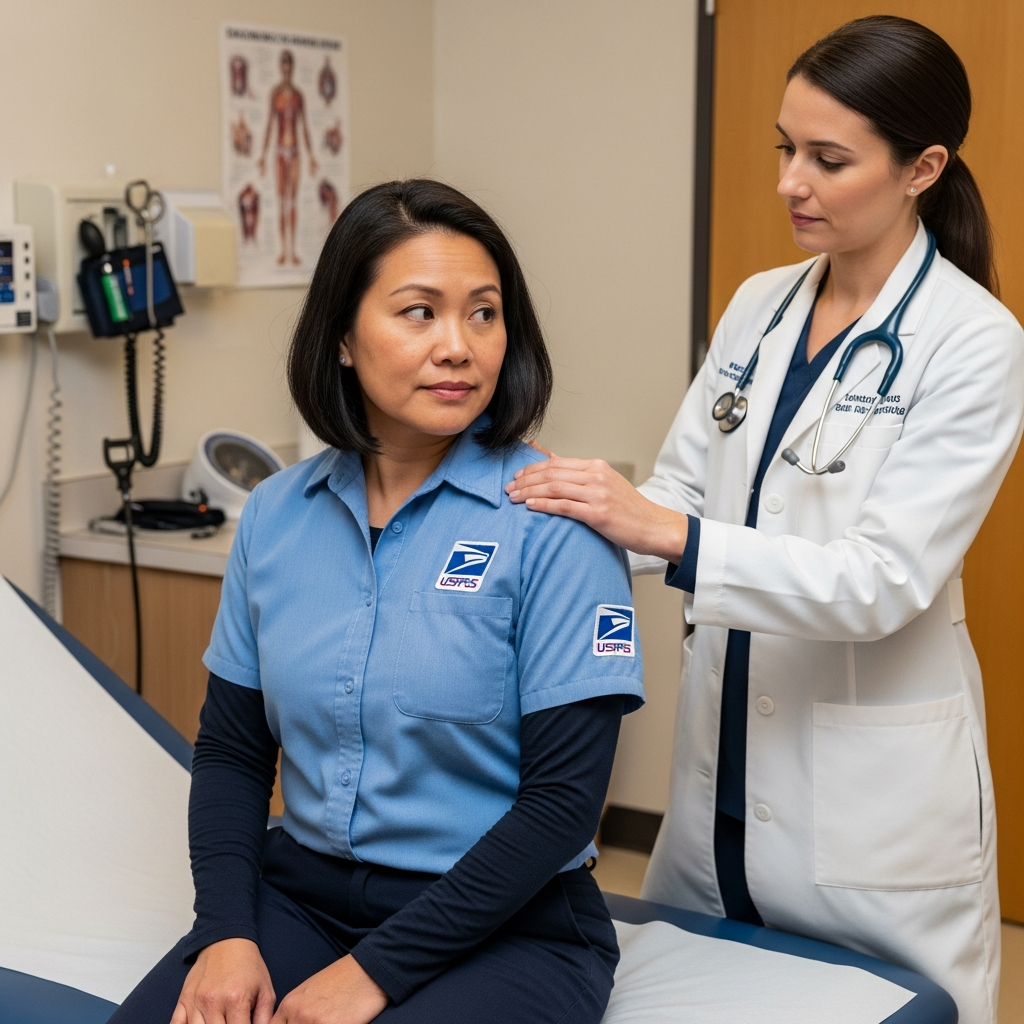
The phone rings at 2 PM on a Tuesday, and your heart sinks before you even pick up. It’s your supervisor, and you already know what this means – that nagging back pain you’ve been pushing through finally caught up with you during yesterday’s shift. Now you’re facing the reality that every federal employee dreads: filing a workers’ compensation claim.
But here’s the thing that really gets under your skin… it’s not just about the injury anymore. It’s about navigating a system that feels like it was designed by people who’ve never actually *been* injured at work. You’re suddenly drowning in acronyms – OWCP, CA-1, CA-2 – and everyone’s throwing around terms like “approved treatment facilities” like you’re supposed to know what that means.
And if you’re in Pasadena? Well, you’ve got some unique advantages that frankly, not everyone talks about.
Look, I’ve seen this story play out hundreds of times. You’re probably sitting there right now, maybe with an ice pack on your shoulder or that familiar ache in your lower back, wondering if you’re going to have to drive an hour each way just to see a doctor who actually understands federal workers’ compensation. You’re worried about whether your treatment will be covered, whether you’ll have to fight for every appointment, whether you’ll end up stuck with some physician who treats OWCP cases like they’re doing you a personal favor.
Here’s what nobody tells you upfront – and this drives me absolutely crazy – finding the right OWCP-approved clinic in Pasadena isn’t just about checking boxes on a government list. It’s about finding providers who actually *get* the federal system, who won’t make you feel like a burden, and who understand that your goal isn’t to milk the system… you just want to get better and get back to work.
The Pasadena area is actually pretty unique in this regard. You’ve got options that some federal employees in other parts of California would practically drive cross-state for. But – and here’s the catch – knowing which clinics are approved is only half the battle. The other half? Understanding what “approved treatment options” actually means in practice, not just on paper.
Because let’s be honest… you’ve probably heard horror stories from coworkers. The guy who waited three months for an MRI approval. The woman who had to see four different doctors before finding one who would actually listen to her symptoms. The friend who got stuck with a provider who seemed more interested in shuffling paperwork than treating patients.
That stuff happens, sure. But it doesn’t *have* to be your story.
What you need – what you *deserve* – is straight talk about which Pasadena clinics actually know what they’re doing with federal workers’ comp cases. You need to understand the difference between a clinic that’s technically approved versus one that specializes in OWCP patients. There’s a world of difference between those two things, and that difference could mean months of frustration versus getting the care you need without the bureaucratic runaround.
Over the next few minutes, we’re going to walk through exactly what makes certain Pasadena OWCP clinics stand out from the crowd. You’ll learn which treatment options are typically approved without a fight (and which ones might require some extra documentation). We’ll talk about what questions to ask during that first phone call – because trust me, the right questions can save you weeks of headaches.
More importantly, you’ll understand how to advocate for yourself within the system without coming across as difficult. Because here’s something I’ve learned after years in this field: the federal workers’ compensation system can actually work pretty well… when you know how to work *with* it instead of against it.
Your injury is real. Your pain matters. And getting quality, timely treatment through OWCP in Pasadena? It’s absolutely possible – you just need to know where to look and what to expect.
What OWCP Actually Means (And Why It Matters to You)
Let’s start with the basics, because honestly? The whole OWCP system can feel like alphabet soup sometimes. OWCP stands for Office of Workers’ Compensation Programs – think of it as the federal government’s way of saying “if you get hurt at work, we’ve got your back.” It’s part of the Department of Labor, and it covers federal employees who get injured on the job.
Now here’s where it gets interesting (and maybe a little confusing). You might think workers’ comp is just about broken bones and back injuries, but OWCP coverage is actually much broader than that. We’re talking about anything from carpal tunnel syndrome to… well, medical weight loss treatment when it’s directly related to your work injury or condition.
The Connection Between Work Injuries and Weight Management
This is where things get counterintuitive – and frankly, where a lot of people get stuck. You might be wondering, “How does my work injury connect to needing weight loss treatment?”
Think of it like a domino effect. Let’s say you injured your back at work. Now you’re dealing with chronic pain, reduced mobility, maybe you’re on medications that affect your metabolism. Before you know it, you’ve gained weight – not because you’re lazy or undisciplined, but because your injury created a cascade of physical and metabolic changes.
Or maybe it’s the other way around. Sometimes excess weight can exacerbate an existing work-related condition. Your injured knee? It’s working overtime now. That lower back issue? The extra pounds aren’t doing it any favors.
How OWCP Views Treatment Approval
Here’s something that trips up a lot of people: OWCP doesn’t just rubber-stamp any treatment request. They’re looking for what’s called “medical necessity” – basically, they need to see that your requested treatment is directly related to your accepted work injury or condition.
Think of OWCP like a very thorough insurance investigator (because, well, that’s essentially what they are). They want to see the connections. They want documentation. They want your doctor to explain, in clear terms, why this specific treatment – whether it’s physical therapy, surgery, or yes, medical weight loss – is necessary for your work-related condition.
The Pasadena Advantage
Now, why does being in Pasadena matter? Location isn’t everything, but it’s not nothing either. Pasadena sits in this sweet spot where you’ve got access to some seriously good medical facilities – we’re talking about being near major medical centers, specialized clinics, and providers who actually understand the OWCP system.
And let’s be real for a second… navigating OWCP paperwork is like trying to solve a puzzle while blindfolded. Having local providers who know the ins and outs of the system? That’s not just convenient – it’s practically essential.
Understanding “Approved” vs. “Available” Treatment Options
This distinction is huge, and honestly, it catches people off guard all the time. Just because a treatment exists doesn’t mean OWCP will approve it. They have specific criteria, specific requirements, and – let’s just say it – specific ways of doing things.
For medical weight loss treatment to be approved under OWCP, there typically needs to be a clear connection to your work injury. Maybe your injury led to decreased activity and weight gain. Maybe the extra weight is making your original injury worse. The key is documentation – your medical team needs to paint a clear picture of how weight management fits into your overall treatment plan.
The Role of Medical Evidence
Here’s where things get a bit… bureaucratic. OWCP loves paperwork. They want medical reports, treatment notes, diagnostic tests – the whole nine yards. Your doctor can’t just say “this patient needs to lose weight.” They need to explain how excess weight is impacting the accepted work condition, what specific interventions are medically necessary, and how the proposed treatment will address work-related symptoms.
It’s kind of like building a legal case, except instead of convincing a jury, you’re convincing a claims examiner who’s probably reviewing dozens of cases that day. The more thorough and connected your medical documentation is, the better your chances of approval.
The good news? When you work with OWCP-approved providers in Pasadena, they typically know exactly what kind of documentation is needed. They speak the language, if you will.
Finding the Right Clinic Match – It’s Not Just About Location
Look, I get it – when you’re dealing with a work injury, you want the closest clinic so you’re not dragging yourself across town three times a week. But here’s something most people don’t realize: OWCP has specific requirements for provider networks, and not every clinic that *says* they take workers’ comp actually knows the OWCP system inside and out.
Before you commit, ask these questions (trust me on this): “How many OWCP cases do you handle monthly?” and “Who’s your designated OWCP coordinator?” If they pause or give vague answers… keep looking. You want a clinic where OWCP cases are routine, not a learning experience.
The best clinics will have someone whose entire job is navigating OWCP paperwork. That person becomes your lifeline when forms go missing or approvals get delayed.
Getting Your Treatment Pre-Authorized – The Hidden Steps
Here’s where things get tricky, and honestly, where a lot of people get frustrated. OWCP requires pre-authorization for most treatments beyond basic care, but – and this is crucial – your clinic should be handling this legwork, not you.
Physical therapy? Needs approval after the initial evaluation. MRI or specialized imaging? Definitely needs pre-auth. Injection therapies or surgical consultations? You’re looking at potentially weeks of back-and-forth paperwork.
Pro tip: When your doctor recommends treatment, immediately ask, “What’s the timeline for OWCP approval on this?” Good clinics will give you realistic expectations. If they seem unsure about the process… that’s a red flag.
The Documentation Game – What Really Matters
Every visit needs to tell a story that OWCP understands. I’ve seen cases stall because medical records didn’t clearly connect treatment to the original work injury. Your providers need to document not just what hurts, but how it relates to your workplace incident.
Keep your own records too. Note your pain levels, functional limitations, how symptoms affect your daily activities. When OWCP reviews your case – and they will – they’re looking for consistent, progressive documentation that justifies continued treatment.
Here’s something most people miss: take photos of visible injuries and keep a simple pain diary. It sounds tedious, but if your case gets challenged, these details become incredibly valuable.
Navigating Specialty Referrals Without Getting Lost in the System
OWCP loves to refer you in circles sometimes. You see the orthopedist, who refers you to a neurologist, who suggests physical therapy… and suddenly you’re six months in with minimal progress.
The secret? Ask each provider to communicate directly with your primary treating physician. OWCP works best when there’s one main doctor coordinating your care – someone who knows your case history and can advocate for you when referrals slow down.
Also – and this might surprise you – sometimes the fastest route to specialized care isn’t through your primary doctor. If you’re having clear neurological symptoms after a workplace injury, you might get faster approval going directly to a neurologist who’s familiar with OWCP protocols.
Making the Most of Your Appointments
Here’s what experienced OWCP patients know: every appointment is precious because getting the next one approved can take time. Come prepared with a written list of symptoms, questions, and concerns.
Don’t downplay your pain or limitations – this isn’t the time to be stoic. OWCP decisions are based on documented medical necessity, so if you’re struggling with something, make sure it’s in your medical record.
Bring someone with you to important appointments if possible. When you’re in pain, it’s easy to forget details or miss important information. A second set of ears can be invaluable, especially during treatment planning discussions.
The Appeal Process – When Things Go Wrong
Sometimes OWCP denies treatment that seems obviously necessary. Don’t panic – denials can be appealed, and many get overturned with the right approach.
Your clinic should help with appeals, but here’s what you need to know: timing matters. You typically have 30 days to respond to adverse decisions, and the quality of your response can make or break your case.
The most successful appeals include additional medical evidence, clearer documentation of how the treatment relates to your work injury, and sometimes a second medical opinion. Don’t try to handle this alone – experienced OWCP clinics know exactly what reviewers want to see.
Remember, the system can be frustrating, but it’s designed to help injured workers get the care they need. With the right clinic partnership and some insider knowledge, you can navigate it successfully.
The Insurance Maze That Makes Everyone Want to Scream
Let’s be real – navigating OWCP approval feels like trying to solve a Rubik’s cube while blindfolded. You’re dealing with a work injury, you’re in pain, and now you’ve got to become an expert in federal workers’ compensation? It’s honestly ridiculous.
The biggest headache? Pre-authorization requirements. You can’t just walk into any clinic in Pasadena and expect OWCP to cover it. Each treatment needs approval first, and the paperwork… well, let’s just say it wasn’t designed by people who’ve ever actually been injured.
Here’s what actually works: Get cozy with your case manager. I know, I know – easier said than done when they’re buried under 200 other cases. But a quick call asking “What documentation do you need for Dr. Smith’s referral?” can save you weeks of back-and-forth. Write down their name, extension, even their preferred email format. These little details matter more than they should.
When Your Preferred Doctor Isn’t “In Network”
This one stings because it’s so personal. You’ve been seeing Dr. Martinez for years, they know your history, and suddenly – boom – they’re not OWCP approved for your specific treatment type.
The temptation is to pay out of pocket and fight for reimbursement later. Don’t. OWCP doesn’t work like regular insurance – they’re pretty strict about pre-approval. Instead, ask Dr. Martinez for a referral to an OWCP-approved colleague. Most doctors in Pasadena know who’s in the network, and they’d rather see you get proper care than struggle alone.
Actually, that reminds me… some clinics will help you navigate the approval process. The good ones have staff who know OWCP’s quirks and can walk you through the paperwork. It’s worth asking about during your initial call.
The “Your Injury Isn’t Work-Related” Nightmare
This is where things get messy – and honestly, it’s the most stressful challenge you’ll face. You know your injury happened at work, but now you’re getting letters questioning the connection. Maybe you mentioned an old back problem during your examination, or your supervisor is being… less than supportive.
The solution isn’t to hide your medical history (never do that), but to be strategic about documentation. Keep a detailed log of how your work duties specifically aggravate your condition. If you’re a mail carrier and your knee pain flares up after long walking routes, document those connections. Time, activity, pain level – boring stuff that becomes crucial evidence.
Get your treating physician to explicitly state the work connection in their notes. Don’t assume they know to do this – ask directly: “Can you document how my job duties are contributing to this condition?”
Treatment Delays That Feel Like Forever
You’re approved for physical therapy, but the earliest appointment is six weeks out. Your pain is getting worse, and you’re starting to panic about permanent damage. This waiting game is brutal, especially when you’re already dealing with lost work time.
Here’s the thing – OWCP has provisions for urgent care, but you need to advocate for yourself. If your condition is deteriorating, don’t just wait it out. Call your case manager and explain the situation. Use specific language: “My symptoms are worsening” carries more weight than “I’m uncomfortable.”
Also, many Pasadena clinics keep cancellation lists. Call twice a week asking about openings. Be the squeaky wheel – politely, but consistently.
When Multiple Specialists Don’t Talk to Each Other
You’re seeing an orthopedist, a physical therapist, maybe a pain management specialist… and it feels like they’re all working in separate universes. Your PT doesn’t know about the new medication, your doctor doesn’t realize PT isn’t helping, and you’re stuck in the middle trying to coordinate care while dealing with chronic pain.
The solution is surprisingly simple but requires effort: become your own case manager. Bring notes from one appointment to the next. Ask each provider to send reports to the others. Create a simple timeline of treatments and responses that you can share with everyone.
Most importantly, don’t suffer in silence when treatments aren’t working. OWCP wants you to get better and return to work – they’re not invested in keeping you injured. If something isn’t helping after a reasonable trial period, speak up. There are usually alternative approaches, but your providers need to know the current plan isn’t cutting it.
What to Expect During Your First Few Visits
Walking into your first OWCP appointment can feel a bit like being the new kid at school – you’re not quite sure what’s coming, and honestly? That’s completely normal. Most patients tell us they spend way too much time overthinking what’ll happen, so let’s clear that up right away.
Your initial visit will likely be longer than you’d expect – we’re talking 45 minutes to an hour, not the rushed 15-minute appointments you might be used to. Your provider needs to understand your injury story from the beginning, review all those medical records (yes, we actually read them), and figure out where you are right now versus where you need to be.
Don’t be surprised if you leave that first appointment with more questions than answers. Actually, that’s kind of the point. Good OWCP providers don’t just hand you a treatment plan and send you on your way – they’re gathering information, and sometimes that means ordering additional tests or imaging before they can map out your path forward.
The Reality of Recovery Timelines
Here’s the thing nobody really talks about: recovery isn’t linear. You know those progress charts that show a nice, steady upward climb? Yeah, real life doesn’t work like that.
Some weeks you’ll feel like you’re making real progress – your pain’s down, you’re moving better, maybe you even forgot about your injury for a few hours. Then you’ll have a rough day (or week) and wonder if you’re going backward. Spoiler alert: you’re probably not going backward. Bodies heal in fits and starts, not smooth progressions.
For most workplace injuries, you’re looking at weeks to months of treatment, not days to weeks. I know that’s not what anyone wants to hear when they’re dealing with pain and can’t work, but setting realistic expectations actually helps in the long run. Patients who understand this tend to stick with their treatment plans better and – ironically – often see better outcomes.
Building Your Treatment Team
One thing that catches people off guard is how many different providers might be involved in your care. You might start with your primary treating physician, add a physical therapist, maybe work with a pain management specialist… it can feel like you’re collecting medical professionals like trading cards.
This isn’t because your case is complicated (well, maybe it is, but that’s not necessarily bad). It’s because different injuries respond to different approaches, and sometimes you need multiple experts working together. Your job isn’t to coordinate all of this – that’s what case management is for.
What is your job? Show up consistently, communicate honestly about your symptoms and limitations, and actually do your home exercises. Yes, even when they’re boring. Especially when they’re boring.
Navigating the Paperwork Marathon
Let’s be honest – OWCP involves more paperwork than buying a house. Forms for this, reports for that, documentation for everything in between. It can feel overwhelming, and frankly, it often is.
Your clinic should help streamline this process, but you’ll still need to stay on top of certain things. Keep copies of everything (seriously, everything), respond to requests promptly, and don’t be afraid to ask questions when you don’t understand something. The system works better when everyone’s on the same page.
When Progress Stalls
Sometimes treatment hits a plateau, and that’s when things get interesting. Maybe physical therapy was helping, but now you’ve been stuck at the same level for weeks. Or your medication was managing your pain well, but suddenly it’s not enough anymore.
These moments – and they happen to almost everyone – don’t mean failure. They mean it’s time to reassess and possibly try a different approach. This might involve switching treatments, adding new specialists, or sometimes taking a step back to look at the bigger picture.
The key is communication. If something isn’t working, speak up. Your providers can’t read your mind, and they’d much rather know you’re struggling than have you suffer in silence.
Moving Toward Your Goals
Whether your goal is getting back to work, managing chronic pain, or just being able to play with your kids again without wincing, remember that progress often comes in small increments. Celebrate the small wins – they add up more than you’d think.
And remember, you’re not in this alone. Your treatment team is there to guide you, but you’re the one doing the hard work of healing.
You know what? Dealing with a work injury can feel like you’re stuck in some bureaucratic maze where everyone speaks a different language. One day you’re fine, the next you’re trying to decode OWCP forms while managing pain and wondering if you’ll ever feel normal again. It’s exhausting – and that’s before you even start thinking about treatment options.
But here’s the thing about Pasadena’s approved treatment network… it’s actually designed to work *for* you, not against you. Sure, the paperwork can be a headache (sorry, occupational hazard of government programs), but once you’re connected with the right providers, you’ve got access to some genuinely excellent care. We’re talking physical therapy that actually helps, pain management that doesn’t just throw pills at the problem, and specialists who understand that getting you back to work – safely – is the whole point.
Finding Your Path Forward
The beauty of having so many approved options is that there’s usually something that fits your specific situation. Maybe you’re the type who responds well to hands-on physical therapy, or perhaps you need that combination approach with both medical treatment and workplace modifications. Some folks do best with intensive short-term treatment, others need that steady, long-term support… there’s room for all of it.
And honestly? Don’t feel like you have to figure it all out alone. Your case manager isn’t just there to shuffle papers around – they’re supposed to help you navigate this system. If something isn’t working, if you’re not seeing progress, if you feel like you’re being pushed back to work too soon… speak up. This is your health we’re talking about.
The Human Side of Recovery
Recovery isn’t linear – I wish someone had told me that years ago when I was working with my first injured worker clients. You’ll have good days and frustrating ones. Days when you feel like you’re making real progress, and others when you wonder if you’re ever going to feel like yourself again. That’s normal. That’s part of the process.
The approved providers in Pasadena get this. They’ve seen it all before, and they understand that getting better isn’t just about fixing the immediate injury – it’s about rebuilding your confidence, managing any fears about returning to work, and making sure you have the tools to prevent re-injury down the road.
You Don’t Have to Navigate This Alone
Look, if you’re reading this because you’re dealing with a work injury, or you’re trying to help someone who is… take a breath. The system isn’t perfect, but it’s there for a reason, and there are people who genuinely want to help you get better.
Whether you’re just starting to explore your treatment options or you’re somewhere in the middle of this process and feeling stuck, reaching out for guidance doesn’t make you weak or difficult. It makes you smart.
Our team has walked alongside hundreds of people through this exact situation. We know the ins and outs of working with OWCP, we understand which providers tend to be the best fit for different types of injuries, and honestly… sometimes it just helps to talk to someone who gets it.
Give us a call – let’s figure out your next steps together. You’ve got enough to worry about without trying to decode the system all by yourself.